AI D&D Names That Don't All Sound Alike
Why AI keeps giving you Elara, and how to get names that sound like they come from your world
October 6, 2026
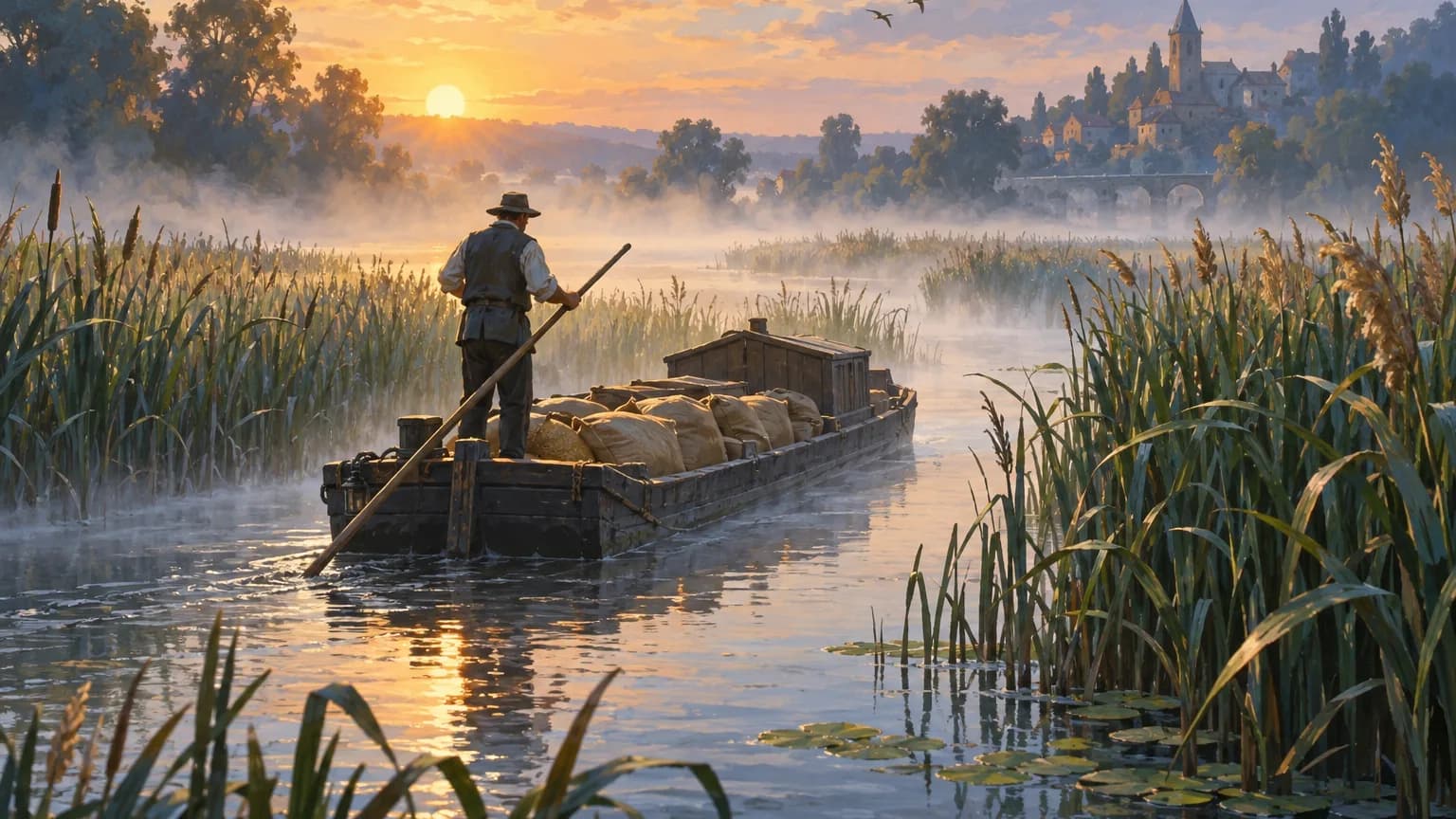
Ask a chatbot for a fantasy name and there's a good chance you'll get Elara. AI names sound alike because the models have learned a small set of favorites, and they fall back on them whenever they know little about where a name comes from. The fix is to tell them more than "elf" or "desert empire": which sounds this people uses, how they build a name, and which names your campaign already has. Half a page of notes is enough, and AI follows it well.
The favorites are stronger than they seem from one chat. Researchers at Cornell had four popular AI models write 20,000 short stories and found Elias in 26.5% of them, Mara in 16.7%, and Elara in 13.1%. Elias turned up 900 times more often than it does in 2,700 modern novels.
Below: why it happens, what to write down for each culture in your campaign, a prompt you can copy, one example worked through with AI, and how to name an NPC on the spot.
Why do AI-generated D&D names all sound the same?
You'd expect a model to average all the fantasy it has read. The Cornell team found something stranger: Elias, Mara, and Elara are rare in published fiction, and rare in the text models first learn from. They turn up in a later stage of training, where models are taught which answers people like, and that stage has likely shaped every current model. That may be why models from different companies hand out the same names.
Asking again doesn't help much. When Jochen Voss asked Claude to name a software developer 100 times, he got Marcus Chen all 100 times. Every new chat starts from the same favorites, so a second try mostly gets you a near neighbor: Elara becomes Elena.
Does giving AI more detail help?
Some. Voss also asked for a woman living in York, England. The surnames turned local, with Hartley, Ashworth, and Whitby, and her first name was Eleanor all 100 times. A line of setting swaps one favorite for another, so a desert empire gets the desert empire's Elara.
More detail helps more. In the example below, an AI that knew a river city's merchant houses and the players' characters gave the city's barge families surnames that fit the town: Ruskett, Pell, Marden, Sedgewick. What it couldn't know was that the barge families should sound like a different people, because nobody had said so. That's what a naming sheet is for.
How do you give a culture its own naming style?
Give each culture in your campaign a naming sheet: half a page you write once and use whenever someone from that culture needs a name. It answers five questions.
- Where do the names come from? Either one real naming tradition, which step 5 of the guide to AI characters covers, or a small made-up language. The fantasy novelist A. K. Larkwood's one-afternoon method is plenty for names: pick a short list of sounds, then decide how they combine into syllables.
- Which sounds does it use? Write the allowed sounds out. A short list is what makes a culture's names sound related, and it's a rule the AI can follow and you can check at a glance.
- How is a name built? How many syllables, whether there are family names, and where those come from: a place, a trade, a parent, a boat.
- What does a name say about the person? A culture that names children after their grandparents hands down the same dozen names for generations. One that names them after the weather on the day they were born has hundreds. Decide which yours does, because it changes how often the party meets two people with the same name.
- Which names are taken? Every name that reaches the table goes on a list with who has it. Sly Flourish's rule is to "write that name down when you use it". "You never know when a throwaway NPC is going to become someone important."
The list of names in use also keeps names apart. Players mix up names that look alike, and Chris Winkle of Mythcreants points out that people are "especially likely to mix up words that start with the same letter and represent the same type of thing", like two characters whose names start with S. Check a new name's first letter, ending, and rhythm against the others of its kind before it goes in.
A prompt for D&D names you can copy
Fill in the brackets from your sheet and paste it into any chatbot:
Here are the naming rules for [the people], a culture in my D&D campaign.
Sounds: only these consonants: [list]. Only these vowels: [list].
Shape: [how many syllables, and how each one is built].
Family names: [none, or where they come from].
Names already in use: [every name the players have met from this culture].
Give me 12 names for [who you need], following these rules. Then go through your list and mark any name that breaks a rule, and any name a player could confuse with one already in use.
Example: naming the barge folk of Bishop's Lenn
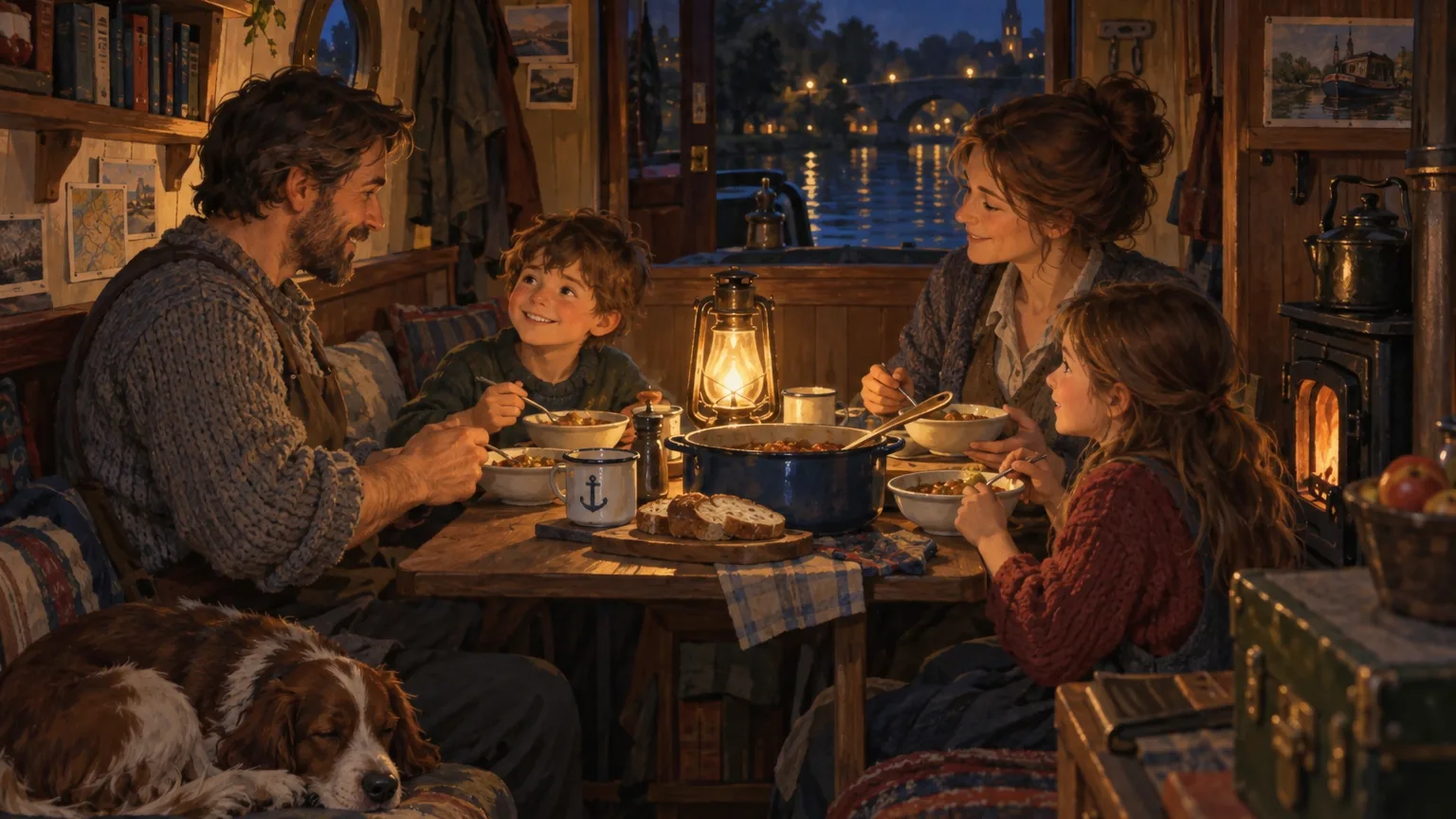
Bishop's Lenn is the river trade city from the characters guide. Its merchant houses have English names taken from medieval King's Lynn: Swerdeston, Wesenham, Parmenter. The families who pole grain barges down from the fens should sound like a different people. I ran this in Campaign Arks, where the city's notes were already written up, and you can do the same by pasting the sheet into a chatbot.
Asked for 10 names for the barge families before the sheet existed, the AI gave me the Rusketts, Pells, Mardens, Sedgewicks, Brindles, and Tallows. They're good names for the town, and the wrong people. Here's the barge folk's sheet:
- Source: a made-up naming language, so nothing overlaps with the town's English names.
- Sounds: consonants m, n, l, r, w, d, g, th, and s; vowels a, e, and o. Nothing else.
- Shape: two syllables, each a consonant and a vowel, sometimes followed by l, r, n, or s. Merro, Thonna, Saldo, Gersa.
- Family names: none. People go by their boat, as in Merro of the Sallow Hen. Boats have English names, because they're registered with the harbor clerk in town.
- What a name says: children are named after a dead relative, so the same names come round every generation, and the town's clerks can't tell one Merro from another. The barge folk find that useful.
The sounds leave out k and v on purpose, because that's where the AI's favorites live: Kael, Kira, Vex, Vance. Listing the sounds you want keeps those out without naming them, which matters because AI models are measurably bad at being told what not to say.
With the sheet written, I asked again and got more town names, because the AI read the town's naming notes instead. Once I told it to use the barge folk sheet, every name followed it:
Merro of the Sallow Hen, Thonna of the Grey Reed, Saldo of the Good Measure, Gersa of the Fen Lantern, Dena of the Grain Wife, Lero of the Copper Oar, Ressa of the White Eel, Weno of the Last Sheaf, Gorsa of the Reed Runner, Nolda of the Muddy May
The first four are the sheet's own examples, though, and Merro and Thonna are already characters in the campaign. Example names on a sheet come back as suggestions. So I asked it to check the list against the sheet and the names in use. It flagged Merro and Thonna as taken, Gersa and Gorsa as too close to tell apart, and Lero as a near rhyme for Merro. That leaves six good names.
Last, I asked for "a barge skipper who carries Wesenham cargo off the books." She came back as Dena of the Grain Wife: "Her registered boat is visible in the harbor; the cargo's movements are not." Her name follows the sheet, and the harbor register from the sheet has become part of her secret.
How do you get better names from AI?
Say which culture you mean
If you've written notes for more than one people, name the one you want. Asked for names, an AI reaches for whichever notes mention names, which is how the barge folk got the town's.
Ask for 10 or 15 at once
One study found that asking for several options in one request gave more varied results, at a small cost in quality as the number rose. Pick from the list rather than taking the first name.
Have it check its own list
Ask the AI to mark every name that breaks the sheet, and every name a player could confuse with one already in use: the same first letter, the same ending, or the same rhythm in the same role. A name that drifted back toward the favorites, or one copied from the sheet's examples, is easier to spot next to the rule it breaks.
Name places from the same sheet
Give the language a dozen words it needs (river, reed, mud, home, the dead) and ask for place names built from them. A channel the barge folk call by their own word for "dead reeds" sounds like theirs, while the same channel on the harbor clerk's map can carry an English name. Two names for one place tell players who's talking.
Skip "make it unique"
"Unique" gives the AI nothing to aim at, and asking for one name at a time in fresh chats starts from the same favorites every time. Describe the sounds and the shape you want instead.
How do you name an NPC on the spot?
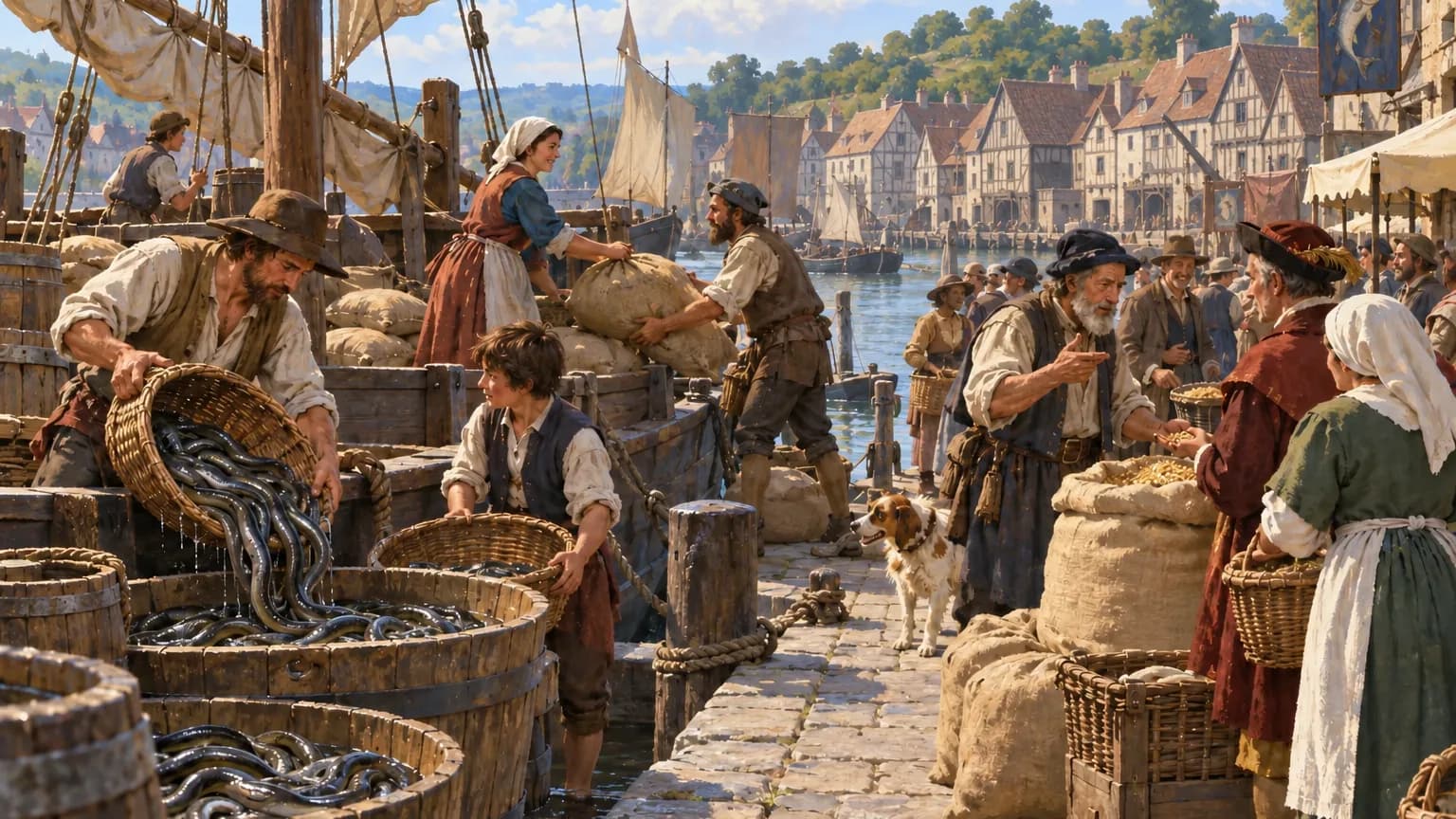
The party will ask the name of someone you never planned. Before the session, make a card of a dozen names for each culture the party might meet that night, from its sheet. That's a job AI does well in prep. When Sly Flourish asked on Twitter, hundreds of GMs named a good list of names as their number one improvisational aid. He writes a dozen or so on a 3x5 card, and "they'll serve you for a while." The Alexandrian adds that glancing at the list "buys you a valuable breath of time in which to brainstorm the unexpected NPC."
Cross a name off when you use it and write down who got it. After the session, those names go on the sheet's list of names in use. A card of names is the smallest piece of a GM backlog: prep that's ready whenever the players need it.
Where Campaign Arks fits
What made the barge folk work was written down: a sheet for the culture, and the names already in play. With a general chatbot, you paste both in every time, and the list of names grows every session. Campaign Arks is a session-prep assistant that keeps your campaign's notes where the AI can use them, so every character's name is already there when you ask. On Pro, it reads the sheet itself and checks new names against your characters. New NPCs come back as suggestions, and nothing enters your campaign until you accept it.
Prep your next session in Campaign Arks
Prep my next session · Free for one campaign, forever · No credit card
Frequently asked questions
Why does AI keep giving me Elara and Elias?
They're the names AI models fall back on when they know little about where a name comes from, and the same few names show up across models from different companies. Telling the AI which sounds a culture uses, how it builds names, and which names you've already used gives it something better to work from.
What's a good prompt for D&D names?
Give the AI the culture's sounds, how a name is built, and the names already in use, then ask for 10 or 15 and have it check its own list. The prompt above is a template you can fill in.
How do I make a culture's names sound related?
Limit the sounds. Pick a handful of consonants and vowels, decide how syllables are built and how long names run, and use nothing else. Names built from the same short list sound like one language even when you made them up on different nights.
Why does the AI keep suggesting names I already used?
Names in front of it get reused. In the example above, the sheet's four example names came back in the first list, two of them belonging to existing characters. Ask it to check each list against the names in use, and only put example names on a sheet if you're happy to see them again.
Can AI invent a naming language for my world?
It can sketch one: a set of sounds, syllable rules, and a few dozen words to build names from. For naming, that's all you need. Read its suggestions aloud and choose the sounds yourself, since the sounds are what players will remember.
What do I do when a throwaway NPC becomes important?
Keep the name the players already know, even if it breaks the sheet, and give it a reason: a mother from upriver, a nickname that stuck. Then add the name to the list of names in use, so the next NPC doesn't sound like them.