How to Create Better DnD Plot Hooks Players Won't Ignore
A practical guide to writing hooks your players choose to chase
September 21, 2026
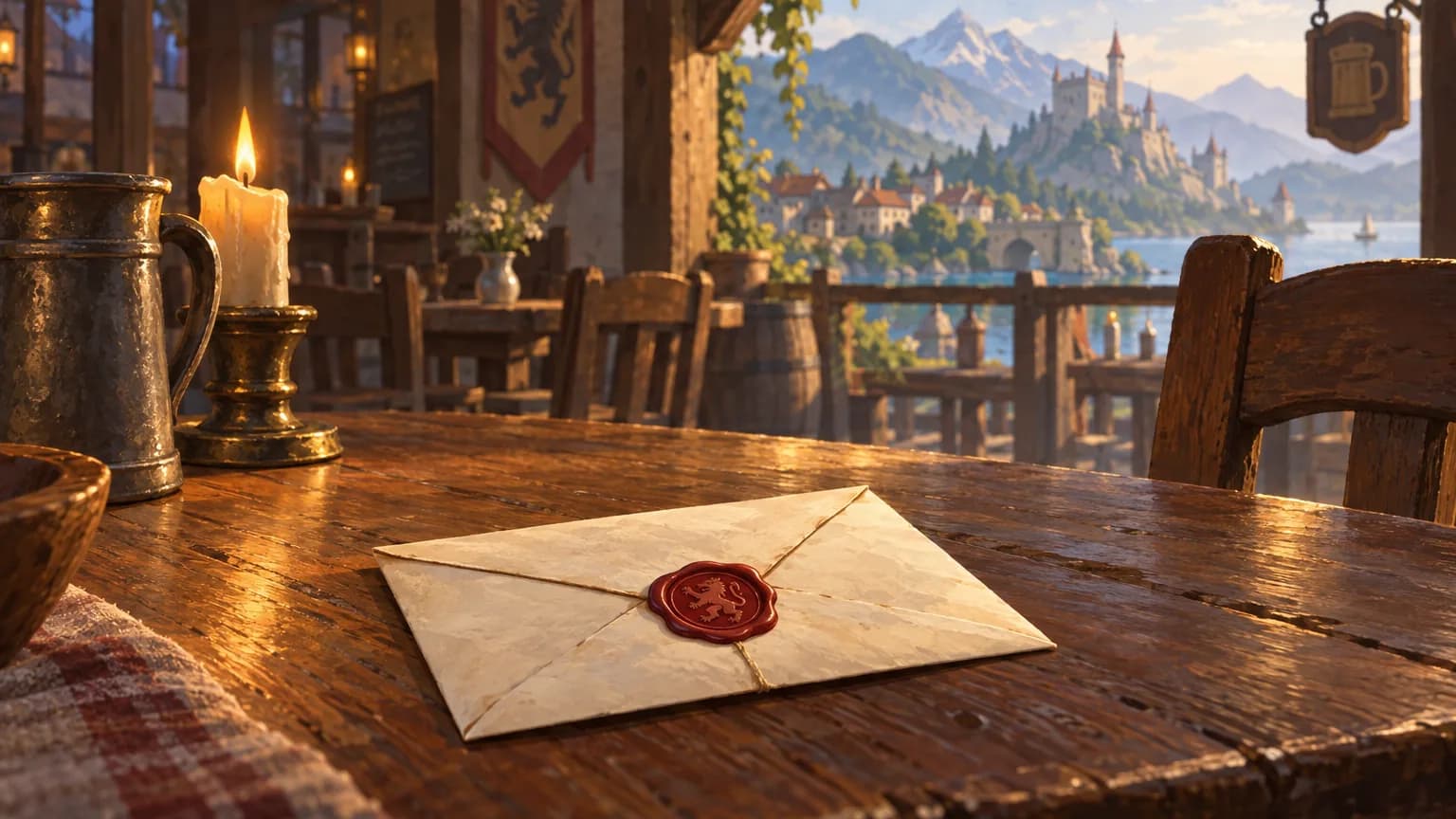
A DnD plot hook works when it gives the party a reason to care before it asks them to act. The ones players chase connect to a character at the table, raise a question worth answering, and make walking away cost something. You can spend a week building a dungeon, a villain, and a twist, and none of it matters if your party shrugs at the opening hook and asks to go shopping instead.
Most DMs have felt this. You drop a quest, an NPC begs for help, and your players nod politely, then spend twenty minutes discussing lunch. The problem usually isn't your world. It's your DnD plot hooks. A hook is the first handshake between your story and your players, and a weak handshake makes everything built on it feel weak too.
This guide covers why plot hooks in D&D matter, what separates a forgettable hook from one your table chases immediately, ten practical ways to build hooks that get followed, and the main D&D plot hook types every DM should keep ready.
Why plot hooks are the foundation of every D&D session
Plot hooks in D&D matter because they're the first decision point in any adventure, and first decisions shape everything after. A strong hook creates curiosity, an emotional pull, or a personal reason to act — one that keeps players engaged once the plot gets complicated.
Think about the campaigns you remember best. They probably didn't start with "a merchant needs an escort." They started with something that made you lean forward: a stranger who knew your character's name, a letter that shouldn't exist. Good DnD plot hooks turn a session from something that happens to your players into something they choose to chase.
That distinction, chosen instead of assigned, is the whole game. Once a party has its own reason to investigate, you spend less time nudging them forward and more time reacting to what they do.
Why do weak DnD plot hooks fall flat?
Weak DnD plot hooks fall flat because they ask players to care before giving them a reason to. Most failed hooks share the same handful of problems.
- Players don't understand why they should care. The hook exists, but nothing connects it to the party.
- It feels like a random task from an NPC. "Go here, get that" reads like a checklist item, not an invitation.
- The reward is unclear or uninteresting. Vague gold or unnamed "glory" doesn't motivate anyone.
- The adventure doesn't connect to character goals. Even a great mystery falls flat if it has nothing to do with the people solving it.
Any one of these is enough to stall a table. Combine two or three, and your players will quietly avoid the quest board all session. The good news: these are writing problems with D&D plot hooks, not design problems, so all of them are fixable.
What makes a D&D plot hook interesting to players?
A D&D plot hook becomes interesting the moment it gives players something to investigate, a reason they're personally involved, and a question they actually want answered. That's the real difference between a basic quest prompt and a hook that gets a table talking before you've finished describing it.
Strong hooks usually share four traits:
- Something worth investigating. A detail that doesn't fully add up yet.
- A reason the characters, specifically, are involved. Not just "adventurers wanted."
- A question players want answered. Curiosity does a lot of the motivational work.
- Consequences that make the choice matter. Ignoring the hook should cost something.
Players follow DnD plot hooks connected to their characters, goals, or values far more often than hooks aimed at "the party" as a generic unit. A rescue mission is fine; one involving the NPC your fighter swore to protect is memorable.
| Weak hook | Stronger hook |
|---|---|
| "A merchant needs guards for a trade run." | "The merchant who once employed your rogue's mentor is being blackmailed, and won't say why." |
| "Bandits are raiding the road." | "The bandits only rob caravans carrying a symbol your party has seen before." |
| "The mayor wants a monster cleared out." | "The monster appeared right after the mayor broke a decades-old promise to the forest." |
| "You find a mysterious door." | "The door has your character's family crest carved into it, and no one can explain why." |
10 ways to create DnD campaign plot hooks your players will want to follow
Building DnD campaign plot hooks that consistently land comes down to habits, not talent. None of these require a big time investment either, which matters if you're already trimming the prep work that never reaches the table instead of writing an extra ten pages of lore nobody reads. Here are ten habits that work across most campaign styles.
1. Connect plot hooks to your players' characters
The strongest hooks start with the party instead of the world around them. Your players' character sheets are already full of free material, and most of it is just sitting there unused unless you go looking for it:
- Backstories. A missing parent, a hometown they fled, a debt they never paid off.
- Personal goals. What is this character actually trying to achieve by the end of the campaign?
- Rivalries. An old classmate, a competing guild, a sibling who did everything "right."
- Unfinished business. A promise made and broken, a job left half done.
A cursed forest adventure is fine on its own. The same adventure lands much harder when it turns out the forest took the druid's missing sibling, and now the party has a reason to care before you've even described the trees. If a player's character arrives without much of a past, drafting a backstory with AI is a quick way to give you threads like that to pull.
2. Give players a problem they want to solve
Players are usually more motivated by a situation than by a request, and this is one of the easiest DnD plot hook ideas to steal because it barely costs you extra prep. Take the most generic fetch-quest phrasing you can think of and ask "why" one more time than you normally would.
"Find the missing merchant" becomes: the merchant vanished the same night his warehouse burned, his ledgers are missing, and his business partner is suddenly very calm about the whole thing. Same starting point, completely different level of buy-in, because now there's a real problem to untangle instead of a location to walk to.
3. Create curiosity with questions and secrets
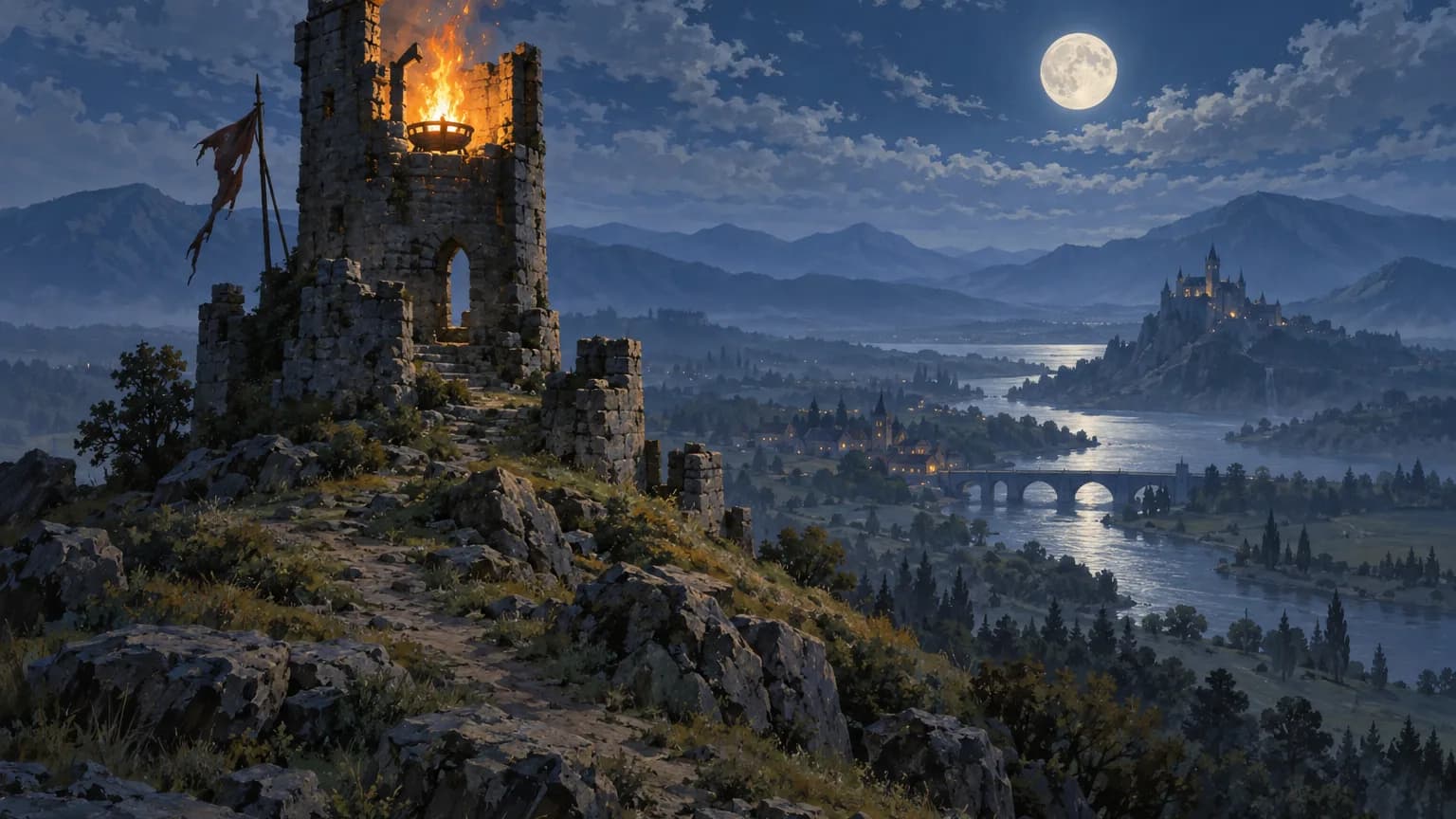
Unanswered questions are some of the most efficient DnD plot hook ideas around, because curiosity does the motivating for you and costs nothing in gold or glory. A few that work well almost anywhere:
- A village where everyone swears they remember a person who never existed.
- A ruined fortress that's been sending out signals every night for a week.
- An "ancient" artifact that keeps turning up in places it has no business being.
This is the same muscle as prepping secrets and clues in the Lazy DM method: write down the truth, not the scene where it gets delivered. A question the party can stumble into from three directions survives contact with the table; one that only works in the room you built for it usually doesn't.
None of these need a resolution ready on day one. Players will chase the question long before they need an answer, which buys you time to figure out where it's actually going.
4. Make the stakes clear without making every hook world-ending
Players don't need to save the kingdom every time to care about an adventure, and some of the most memorable sessions run on much smaller stakes. A few worth mixing into your rotation:
- Protecting someone specific and important to the party
- Earning the trust of a faction or individual
- Stopping a threat that only affects one town or district
- Uncovering a secret with dangerous personal consequences
Smaller stakes also make it easier to raise the tension gradually across a campaign. If every hook is "the realm will fall," you have nowhere left to go by session ten.
5. Offer rewards that match what your party cares about
Gold isn't the only motivator, and honestly it's often the weakest one. Some of the best DnD plot hook ideas skip treasure entirely and lean on rewards your table will actually remember:
- Information the party has been trying to get for sessions
- Access to a restricted location, guild, or archive
- A meaningful alliance with a faction or NPC
- Reputation that opens doors elsewhere in the campaign
- Answers about a character's past
Pay attention to what your specific players get excited about at the table. A group chasing lore will follow a hook for a single cryptic sentence in an old journal faster than they'll follow one for a bag of gold.
6. Introduce hooks through action instead of exposition
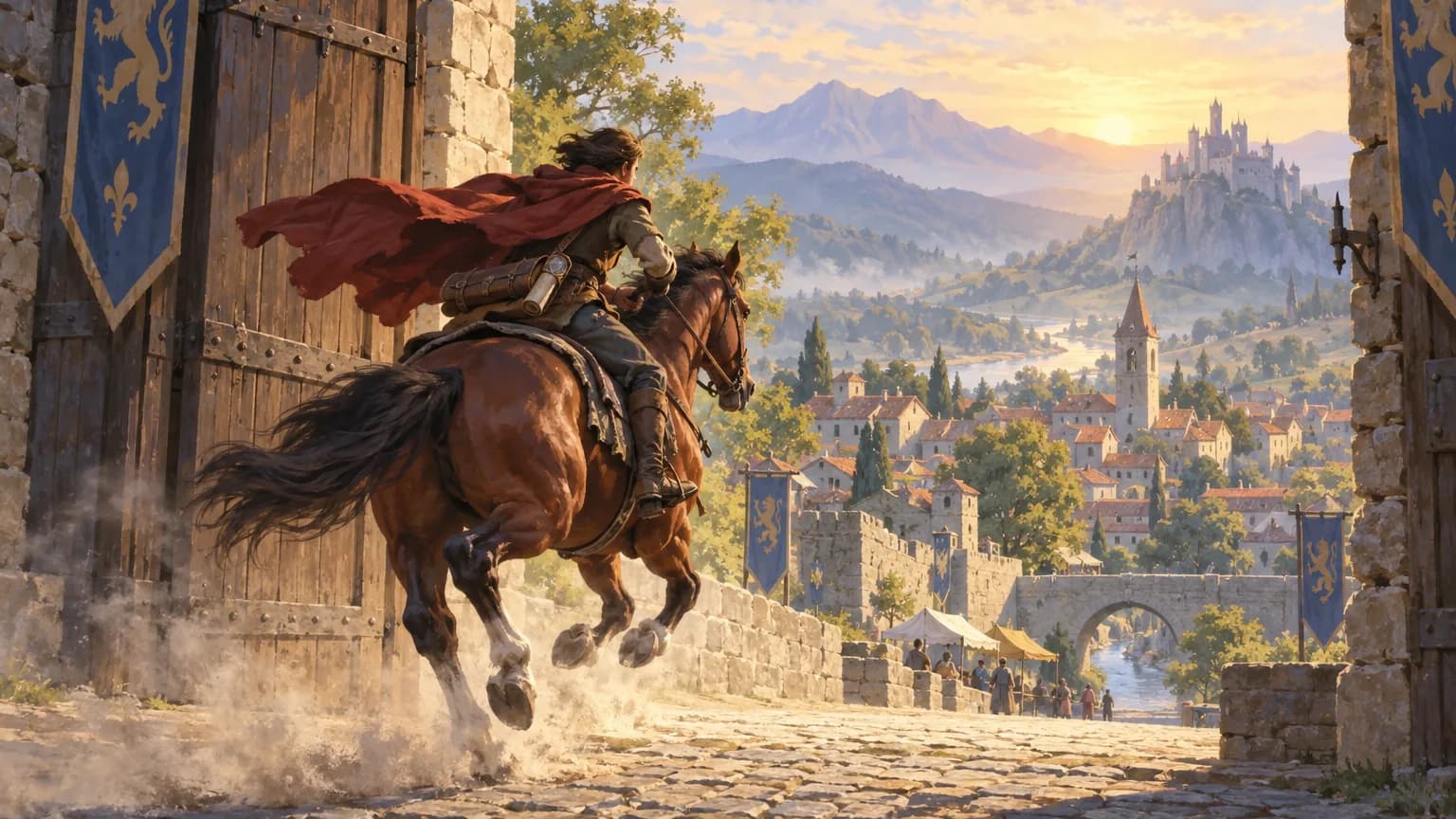
Showing players a problem is almost always more effective than having an NPC sit them down and explain it. A few ways to open with action instead of a briefing:
- Players witness a strange event happening in town, live, in front of them.
- A monster attack reveals a bigger threat lurking behind it.
- The party stumbles onto a mysterious object mid-mission, with no explanation attached yet.
Active openings pull players in immediately because they're reacting to something happening right now, not listening to a summary of something that already happened somewhere else.
7. Give players more than one reason to follow the same adventure
Relying on a single hook risks losing any player who doesn't personally connect with it, and that's an easy fix. The same adventure can carry several entry points at once:
- A personal connection for one character
- A valuable reward for another
- A pure mystery for the curious ones
- A favor owed to an ally for anyone who needs a nudge
Multiple entry points mean nobody at the table is just along for the ride. Everyone has their own reason to be there, even if it's not the same reason as the person next to them.
8. Match plot hooks to your campaign style
Hooks should fit the story you're actually running, not a generic template. What "interesting" looks like changes depending on tone:
- Horror campaigns need tension and uncertainty, not clear answers up front.
- Heroic campaigns need visible threats and victories that feel earned.
- Political campaigns need conflict and choices with no clean right answer.
- Exploration campaigns need discovery, mystery, and a reason to keep moving.
A hook that fits your campaign's tone tells players what kind of story they're walking into before the first die is even rolled, which sets expectations and cuts down on tonal whiplash later.
9. Avoid making hooks feel like chores
Players tend to tune out hooks that read like routine tasks. Watch for these patterns, since they're the most common way a good idea turns into a skipped one:
- "Go there and collect this," with zero context attached
- An NPC who asks for help without explaining why it matters
- An adventure that has nothing to do with anything the party is interested in
A little personality, a hint of mystery, or a clear consequence for ignoring the request turns even a simple errand into something worth doing. It doesn't take much: one extra sentence of "why" is usually enough.
10. Let players change what happens after accepting the hook
A plot hook should open a door, not decide the entire story on your behalf. Once players say yes, prepare for flexible situations rather than a fixed outcome:
- Let them solve problems in ways you didn't plan for
- Let them make unexpected alliances with people you cast as enemies
- Let their approach change what the "obvious" ending was going to be
This is also where it pays to keep a running backlog instead of starting from scratch every week. Hooks your players didn't bite on this session don't have to disappear. Toss them into a GM backlog of reusable hooks and play material and pull them back out whenever the moment fits. Outcomes players actually shape, instead of ones you locked in during prep, are the ones they remember long after the session ends.
What types of DnD plot hooks should every DM keep ready?

Every DM benefits from a mix of hook types, since different moments call for different kinds of pull. Rotating through these keeps your DnD campaign plot hooks from feeling repetitive.
| Hook type | What it does | Example |
|---|---|---|
| Personal | Ties to a character's backstory or relationships | A lost family member surfaces after years of silence |
| Mystery | Uses an unanswered question to drive curiosity | Villagers keep disappearing with no pattern |
| World-building | Pulls players into a larger, ongoing event | A neighboring kingdom is quietly preparing for war |
| Choice-based | Forces an immediate decision with real consequences | The party must choose which of two factions to trust |
Personal hooks
Character-focused hooks create emotional investment fast, since the stakes are personal before the session starts. A lost family member or a returning old enemy both work well.
Mystery hooks
Unanswered questions keep players engaged between sessions, not just during them. Strange disappearances give players something to theorize about away from the table.
World-building hooks
Larger events can pull an entire party into the story at once. An approaching war gives everyone a shared reason to act, regardless of individual motivations.
Choice-based hooks
Difficult decisions create immediate involvement because they demand a response right away. A problem where every option carries a cost forces players to engage from the first moment.
The best DnD plot hooks invite players to help build the story
A great plot hook isn't about controlling where the story goes. It's about giving players a reason to start creating it alongside you. The strongest D&D plot hooks share a personal connection, a real question, and a consequence that matters, and once those pieces are in place, players do most of the work of chasing the story themselves.
The best adventures often begin with one simple question: what happens if we follow this?
Build your hooks in Campaign Arks
Campaign Arks keeps your NPCs, locations, and unused hooks in one place. Write a hook down when it occurs to you, link the characters it touches, and pull it back out in the session where it finally fits.
Ready to stop losing your best hooks to a messy notes app? Try Campaign Arks free for one campaign and let a session-prep assistant that remembers your whole world help you turn half-formed ideas into DnD plot hooks your players will actually chase.
Frequently asked questions
How many plot hooks should I prepare before a D&D session?
Two or three ready DnD campaign plot hooks per session is usually enough. Any hook your players skip can simply carry over to the next session.
Should every player character have their own personal plot hook?
It helps, though not every single session. Over a full campaign, giving each character at least one hook tied to their backstory keeps everyone invested.
What should I do if my players ignore the main plot hook?
Let it happen, then adjust. Ignoring a hook tells you what players actually care about, and a backup DnD plot hook idea can usually fill the gap.
Can a D&D campaign work without one main storyline?
Yes. Many long-running campaigns work more like a web of connected plot hooks in D&D rather than one fixed plot, so the story keeps moving even if players skip a thread.
When should I introduce the main campaign plot?
Most DMs introduce it gradually over the first few sessions. Starting with smaller, personal hooks lets you learn what your table responds to first.